Buy versatile gear first
Medium, all-round equipment tends to stay useful across many locations.
Progression systems keep many fishing games interesting, but they can also start to feel like work. These tips help you upgrade at a steady pace while keeping your sessions enjoyable.
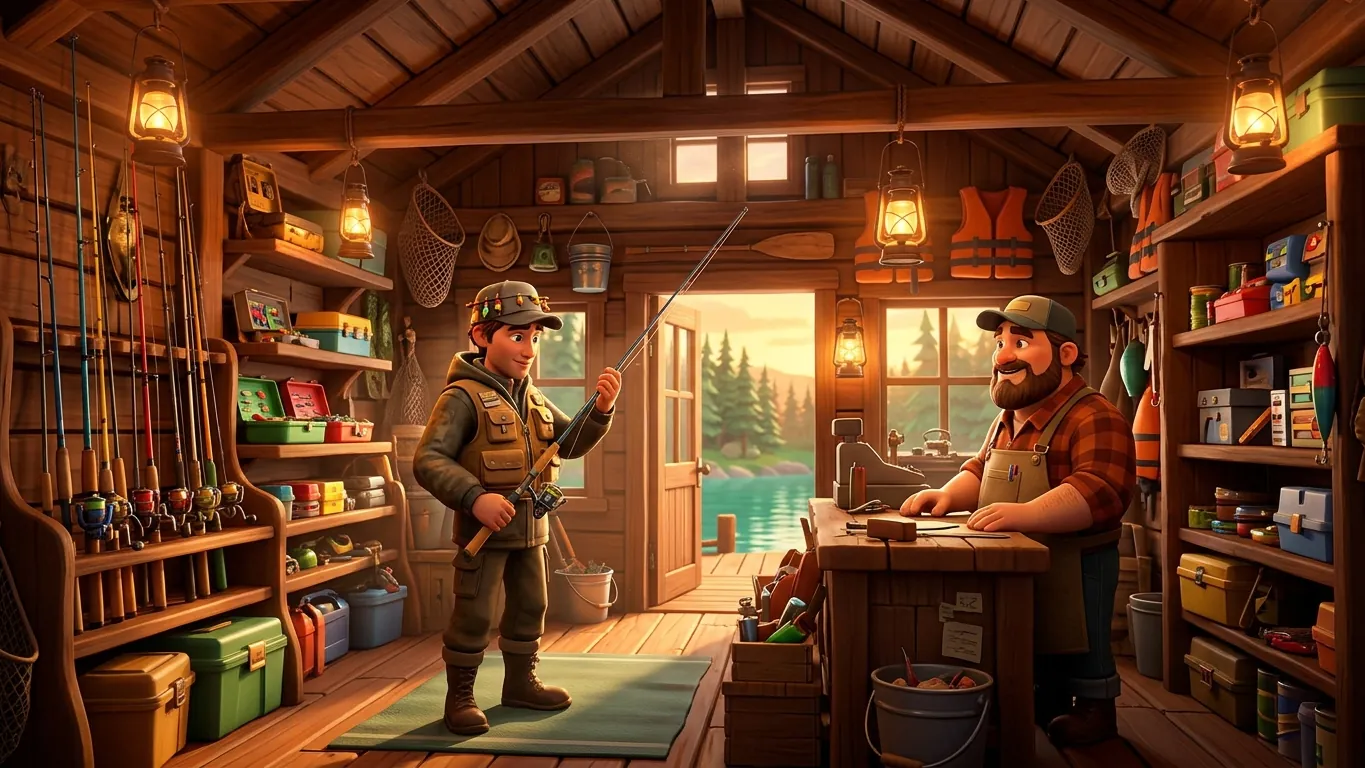
Many fishing games use progression to unlock new locations, species and equipment. You catch fish, earn in-game currency or experience, and use those rewards to improve your gear. This loop can be motivating, but if the next upgrade feels far away, sessions may start to feel repetitive.
The good news is that a little planning can make progression smoother. The goal is not to rush, but to make sure each session moves you toward something you actually care about.
Before spending anything, decide what you want next. Is it a new location? A specific species? Stronger tackle for bigger fish? Having a clear goal helps you avoid buying items that look appealing but do not support what you want to do.
A useful habit is to focus on upgrades that solve a problem you are actually facing. If fish keep breaking your line, stronger line or a better reel might help more than a new lure. If you cannot reach deeper fish, a diving lure or heavier weight might be the right step.
These habits can help you use in-game resources more efficiently.
Medium, all-round equipment tends to stay useful across many locations.
Several similar lures rarely add much. Variety in depth and style usually helps more.
Some areas or species require specific gear. Learn these needs before you save up.
Games that track bait or line wear may require replacements, so avoid spending everything at once.
Stats and descriptions often explain exactly what an item improves.
If progress starts to feel slow, change something about how you play. Try a different location, target a new species or take on any optional challenges the game offers. Variety can make earning rewards feel less repetitive and may reveal more efficient ways to progress.
Many games also reward exploration in small ways, such as discovering new spots, completing journal entries or catching a fish for the first time. Mixing these goals into your sessions can help you progress without focusing only on one repetitive task.
Progression is meant to support enjoyment, not replace it. There is no need to reach the top tier of gear quickly. Some of the most enjoyable moments in fishing games come from making the most of modest equipment and learning to read the water well.
If a game starts to feel more like a chore than a hobby, taking a break or switching to a calmer goal can help. Coming back with fresh eyes often makes the next upgrade feel more rewarding.
 Getting started with fishing games
New to fishing games? Learn the core mechanics, from casting and hook sets to line tension, and how to build good habits in your first sessions.
Read more
 How to read the water in fishing games
Learn to spot structure, depth changes, current seams and cover in virtual lakes and rivers so you can choose better places to cast in fishing games.
Read more